April 30, 2026
Caregivers play an essential role in providing much-needed support for seniors, promoting independence and improving their overall quality of life. As individuals age, they often face various challenges that impact their daily living, such as reduced mobility, deteriorating health, and cognitive decline. This comprehensive support involves both physical and emotional aid, ensuring that seniors feel valued and cared for. For many families, these caregivers become an integral part of the household, fostering a safer and more nurturing environment for older adults.
Assisting with Hygiene and Grooming
Ensuring proper personal hygiene is critical for maintaining health and self-esteem among seniors. Caregivers assist with bathing and showering, helping seniors who may struggle with these tasks due to physical limitations or fear of slipping. Through gentle and respectful assistance, they help maintain cleanliness while respecting the senior's dignity and privacy. Bathing routines are tailored to the individual's needs, considering any medical conditions or specific skin care requirements. This personal care not only helps in preventing infections and skin issues but also boosts a senior's confidence and mood.
Alongside bathing, a caregiver provides help with dressing and clothing choices, which can significantly enhance a senior's comfort and sense of self-worth. Seniors may find it difficult to put on clothes, especially if arthritis or other conditions limit their dexterity. Caregivers help select weather-appropriate, comfortable clothing and assist with the physical act of dressing. By involving seniors in clothing choices, caregivers empower them, allowing expression of personal style and preferences. This daily routine ensures seniors are presented with dignity and dressed suitably for the day's activities.
The breadth of hygiene support extends to oral, hair, and nail care, integral elements of personal grooming. Regular oral hygiene, aided by caregivers, is critical in preventing dental issues and ensuring overall health. Similarly, hair care is important for appearance and comfort; caregivers assist with washing, drying, and styling. Nail care, although often overlooked, is crucial for preventing pain and infections.
Preparing Meals and Nutritional Support
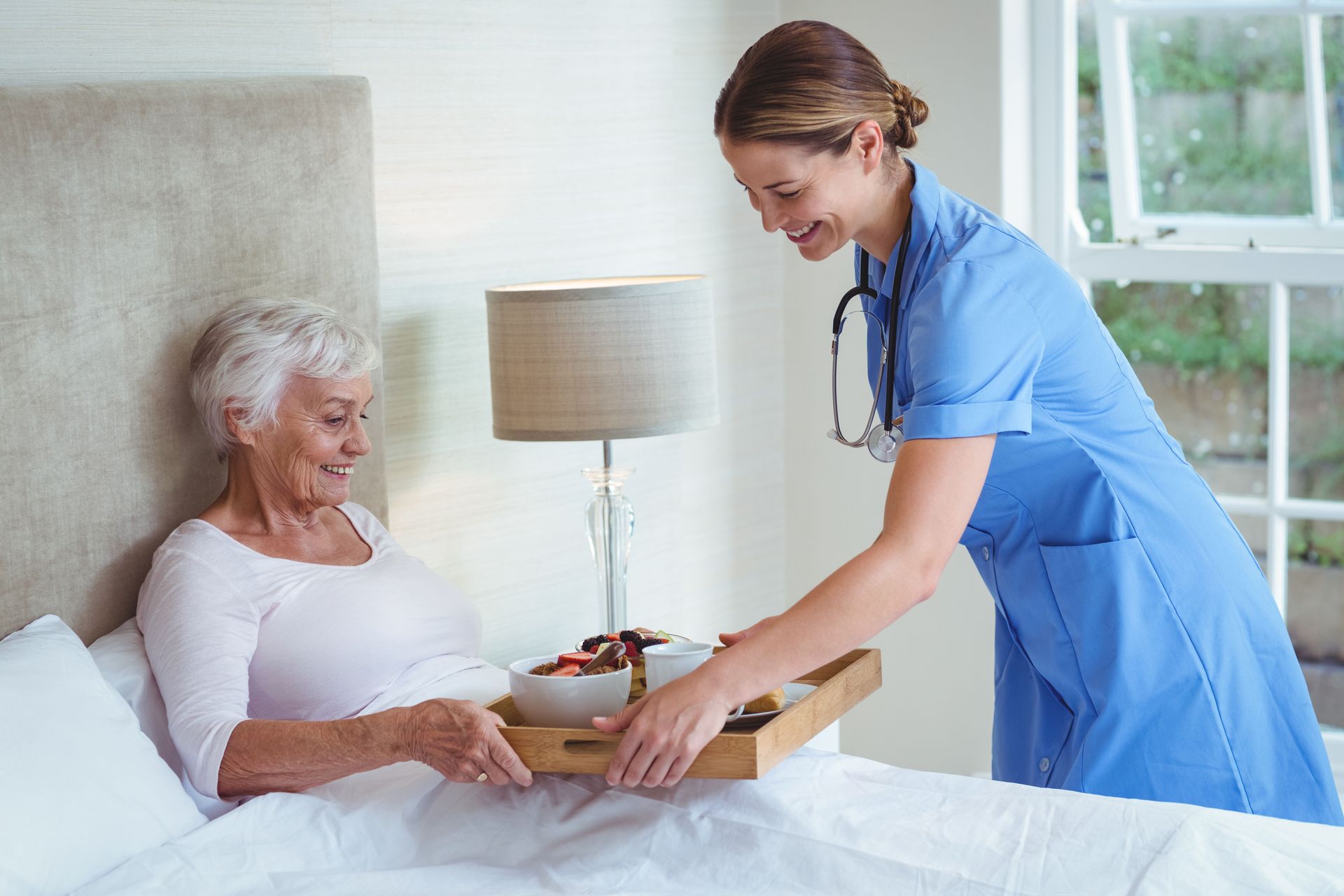
Healthy nutrition is vital for seniors, affecting energy levels, immune function, and disease management. Caregivers need a strong understanding of dietary restrictions, which are common among seniors due to chronic health conditions like diabetes or heart disease. They ensure that meals adhere to these restrictions without sacrificing flavor or enjoyment. Through consultation with dietitians or healthcare providers, caregivers tailor nutritional plans that cater to individual preferences and health needs. This personalized approach fosters better nutrition compliance and enhances the senior's dining experience.
Meal planning and grocery shopping are equally important aspects that caregivers handle with efficiency and attention to detail. They plan balanced meals that meet dietary needs, considering food preferences and any allergies. By managing shopping lists and handling grocery runs, caregivers relieve seniors of these often physically demanding tasks. Caregivers focus on sourcing fresh, high-quality ingredients, ensuring that meals are both nutritious and appealing.
Safe food preparation and hydration are key practices caregivers implement to support senior health. They employ food safety techniques, such as proper storage and cooking methods, to prevent foodborne illnesses. Additionally, a professional caregiver ensures seniors stay hydrated, a critical but often overlooked aspect of health. Daily routines might include habitual offering of water and fluids, adapted to the senior's preferences and medical advice.
Aiding With Mobility and Physical Activity
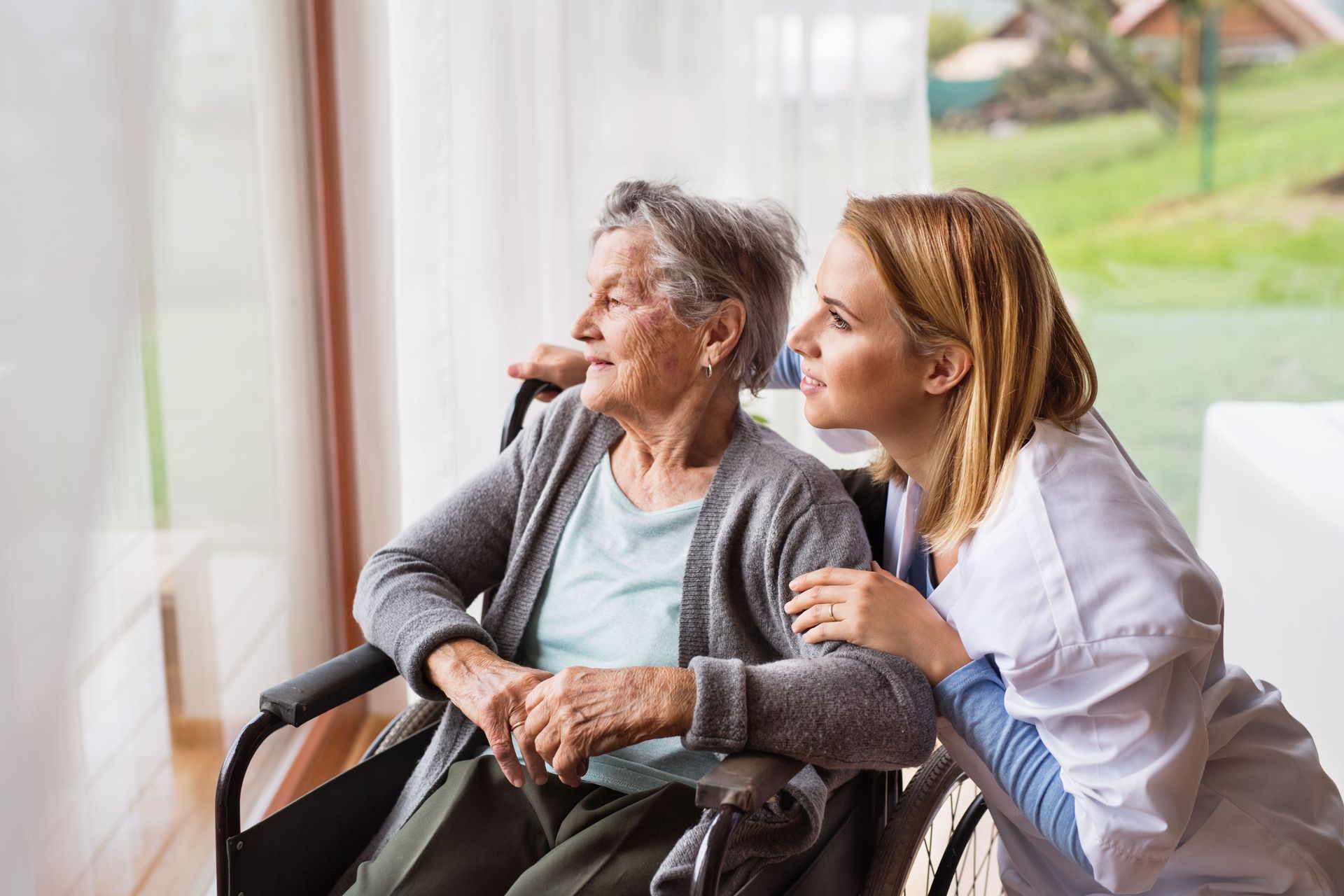
Maintaining mobility and physical activity is crucial for seniors to preserve their independence and health. Caregivers assist with walking and balance, providing physical support and encouraging safe movement within and outside the home. They address mobility limitations with tailored strategies, such as guided walking and balance exercises, to strengthen muscles and prevent falls. Through patience and understanding, caregivers build confidence in seniors' movement abilities, enhancing their autonomy. This daily assistance fosters not only physical health but also emotional wellbeing, reducing feelings of helplessness.
In addition to basic mobility support, caregivers play a vital role in facilitating exercise and physical therapy sessions. Regular physical activity is essential for managing conditions like arthritis or osteoporosis and delaying physical decline. Caregivers encourage safe, appropriate exercises under professional guidance, adapting activities to the senior's ability level. They ensure consistent participation, offering encouragement and companionship that make exercise more enjoyable. This involvement is pivotal in helping seniors maintain physical function, improve mental health, and enjoy a better quality of life.
Mobility and safety aids, such as canes and walkers, are indispensable tools for many seniors. Caregivers help in using and maintaining these devices, ensuring they are in good condition and used correctly. They educate seniors on safety tips to prevent accidental misuse, thus minimizing fall risk. Furthermore, caregivers promote safe outdoor activities, providing opportunities for socialization and connection with nature. By supporting both indoor and outdoor mobility, caregivers significantly enhance a senior's independence and engagement with the world.
Managing Medication and Pharmacy Visits
Effective medication management is crucial for senior health, requiring careful organization and monitoring by caregivers. They ensure seniors follow complex medication schedules, preventing missed doses or potential interactions. According to the Foundation for Senior Living, 24-hour care involves booking two caregivers who each work 8-12 hour shifts over the course of 24 hours. This ensures that medication routines are adhered to around the clock. With reminders and direct assistance, caregivers help seniors take medications accurately, an essential factor for managing chronic conditions.
Education about possible side effects and interactions is another critical component of medication management. A caregiver provides vital information to seniors, helping them understand potential adverse effects and what to monitor. This knowledge equips seniors and their families to recognize and address complications promptly. Furthermore, caregivers maintain communication with healthcare providers to stay updated on any changes to prescriptions.
Caregivers also track medication refill needs and expiry dates, ensuring a consistent supply of necessary drugs. They utilize medication management tools like pill organizers and digital reminders, simplifying complex regimens. This organized approach reduces anxiety for seniors, allowing them to focus on their daily activities with less worry about their health. By coordinating with pharmacies and healthcare professionals, caregivers streamline the management of pharmaceuticals, ensuring timely access to medicines.
Offering Emotional and Social Support
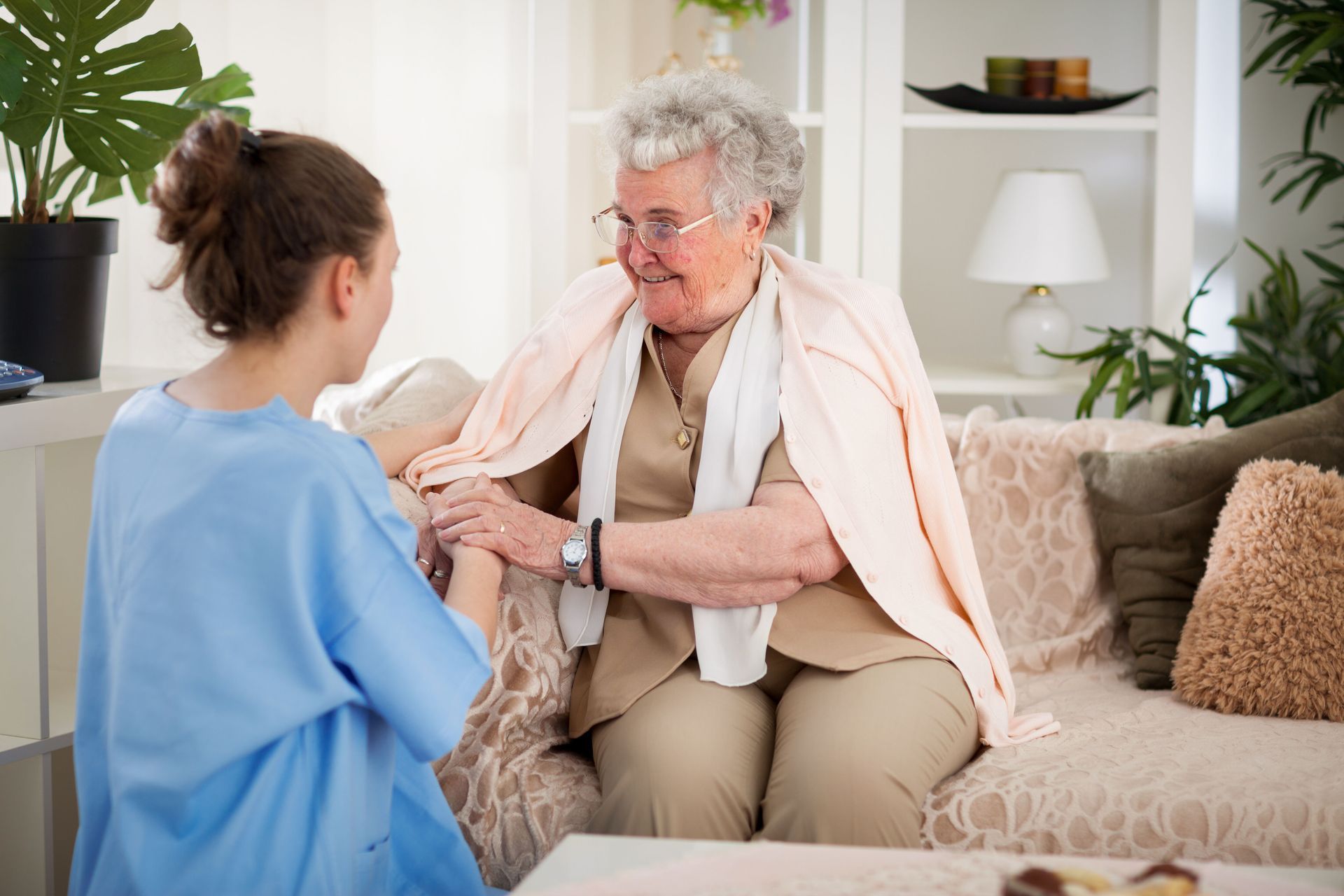
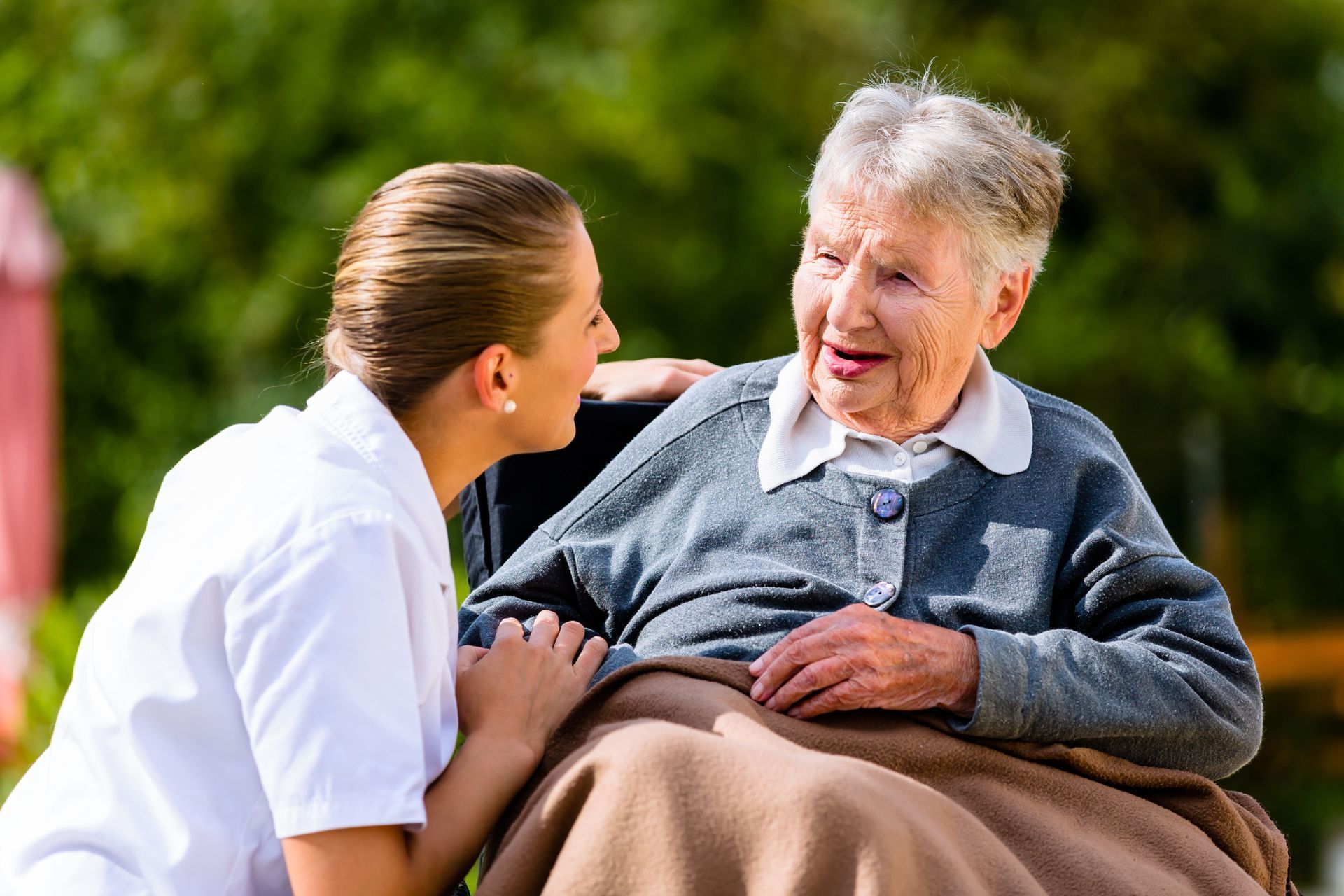
The emotional wellbeing of seniors is as important as their physical health, with caregivers offering companionship and meaningful interaction. Loneliness is a common issue among seniors, often leading to depression or anxiety. Caregivers provide consistent companionship, engaging seniors in conversation and activities that offer stimulation and comfort. These interactions are crucial in minimizing isolation, helping seniors feel connected and valued.
Recreational activities facilitated by caregivers are tailored to the senior's interests and capabilities, promoting joy and mental well-being. These activities may include puzzles, games, or arts and crafts, offering psychological stimulation and entertainment. By incorporating recreational pursuits into daily routines, caregivers help seniors maintain a sense of purpose and accomplishment. These sessions encourage creativity and cognitive engagement, crucial for mental sharpness.
Facilitating family and community connections is another pivotal role of caregivers, integral to emotional support. They assist in organizing family visits and encourage participation in community events, fostering social interactions and belonging. Technology like video calls is used to bridge physical distances, keeping family connections strong even if loved ones live far away. Additionally, caregivers support seniors in participating in local clubs or gatherings, enhancing their community involvement. Recognizing and addressing loneliness proactively helps caregivers mitigate its negative impact, ensuring seniors lead fulfilling, connected lives.
A skilled
caregiver is indispensable in supporting seniors with daily activities, providing both practical and emotional assistance. Families and seniors alike benefit from the peace of mind that experienced caregivers provide, knowing that support is always available. If you or someone in your life requires at home care from a qualified professional, reach out to Affordable & Quality Home Care Services LLC, and see what we can do for you.